Why the Playtime Font Is a Game-Changer for Creative Projects
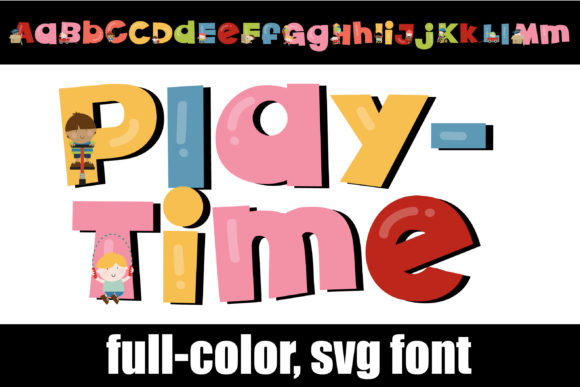
There's a certain magic in a design that feels instantly joyful. It might be the bright color palette, the friendly imagery, or, more often than not, the typography. A font can set the entire emotional tone of a project, and finding one that radiates positivity and authenticity is like striking gold. This is where a typeface like Playtime enters the conversation. It’s not just a set of letters; it’s a personality—a chunky, colorful display font that seems to smile back at you from the screen.
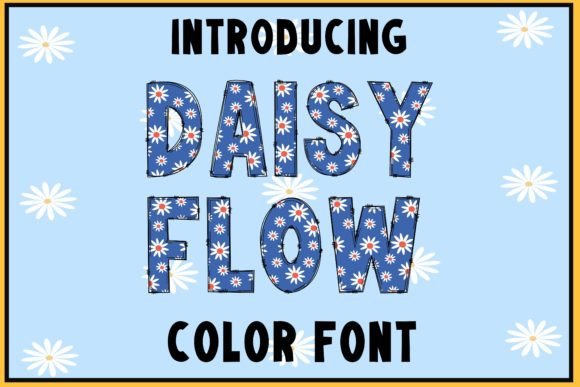
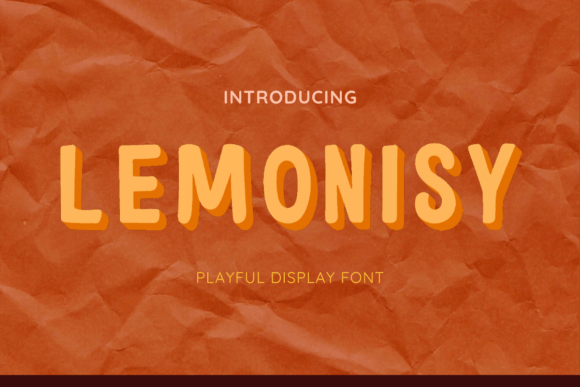
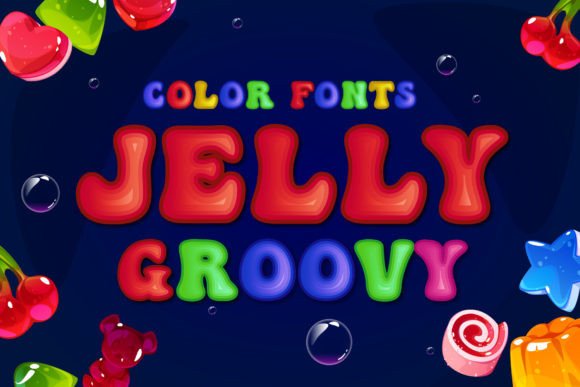
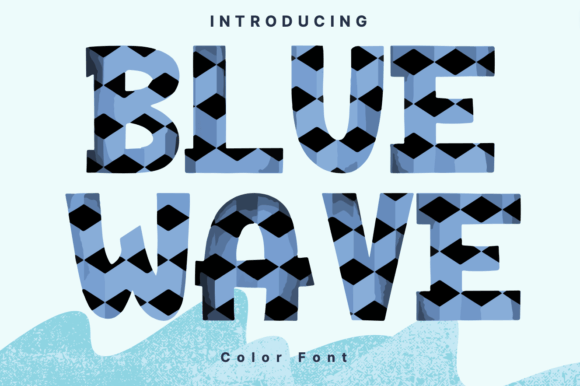
Designed to embody pure playfulness, this premium font is a standout choice for anyone working on projects aimed at children, families, or any audience that appreciates a dose of whimsy. Think beyond the standard black-and-white letterforms. As a color font, specifically an OpenType-SVG file, Playtime arrives with built-in color and texture, giving your text a hand-painted, vibrant look straight out of the box. This immediately adds a layer of depth and visual interest that traditional fonts simply can't match on their own.
Injecting Personality into Branding and Identity
For small business owners and entrepreneurs, especially those in the kids' market, brand identity is everything. A playful, approachable logo can communicate your values faster than any paragraph of copy. Using a creative font like Playtime for a logo or brand mark is a direct way to signal that your business is fun, trustworthy, and full of energy. Imagine a children's bookstore, a party planning service, or a line of organic baby snacks—their logos could instantly come alive with this chunky lettered typeface.
But its application extends far beyond the logo. Consistency in branding is key. By incorporating Playtime into your packaging design, social media graphics, and even your website headers, you create a cohesive visual language. A bakery could use it on treat labels, a daycare on welcome signs, and a kids' clothing brand on hang tags. This consistent use of a distinctive display font builds immediate brand recognition. When a customer sees those friendly, colorful letters on an Instagram post, they’ll know it’s you before they even read the text.
From Digital Screens to Printed Pages
The versatility of a well-designed typeface like this is its greatest strength. Its bold, chunky nature ensures high readability at larger sizes, making it perfect for headlines that need to grab attention. Consider the impact on a website’s homepage hero section or a blog post title—it instantly makes the content more engaging and memorable. For social media, where you have mere seconds to stop a scroll, a striking, colorful font can be the difference between being ignored and being noticed.
This practicality carries over into print materials with ease. Think about creating eye-catching posters for a school play, flyers for a community fair, or invitations for a child's birthday party. The font’s playful character sets the perfect tone. For crafters and hobbyists, it’s a fantastic asset for creating personalized merchandise. Imagine custom t-shirts, tote bags, or stickers for a family reunion or school fundraiser. The font’s authentic, handcrafted feel adds a personal touch that mass-produced designs often lack.
Making Smart Choices with Display Typography
While a font like Playtime is incredibly powerful, using it effectively requires a bit of strategic thinking. Its personality is strong, so it's best suited as a headline or accent font. Pairing it with a clean, simple sans serif font for body text is a classic strategy. This creates a visual hierarchy that guides the reader's eye—the playful display font captures attention, and the neutral sans serif ensures longer paragraphs remain easy to read. This font pairing approach balances creativity with functionality.
Always consider the context of your project. A whimsical typeface is perfect for a children's activity sheet but might feel out of place in a corporate annual report. The goal is to match the typography to the project's audience and objectives. Before finalizing any design, it’s wise to test how the font looks in its intended environment. Check its legibility on both a computer screen and a printed mock-up. Review the included font styles; many premium fonts come with alternates or extra characters that can add even more unique flair to your designs.
Understanding the Technical Side for a Smooth Workflow
One important practical note for designers and crafters is understanding font compatibility. As a color font in the OpenType-SVG format, Playtime works seamlessly in advanced design software like Adobe Photoshop, Adobe Illustrator, and Inkscape. This allows you to leverage its full color capabilities directly in your workflow. However, it’s crucial to be aware that the standard OTF or TTF files are not compatible with certain cutting machines like Cricut. This is a common consideration for those creating physical products with vinyl cutters.
For anyone new to working with color fonts or wanting to get the most out of their design assets, consulting a resource like an Ultimate Font Guide can be incredibly helpful. Such guides often explain how to install, use, and customize these modern typography files to achieve the best results. Furthermore, always review the commercial licensing of any font you purchase. Ensuring the license covers your intended use—whether for client work, merchandise for sale, or digital products—is a fundamental step in professional and ethical design practice.
Ultimately, choosing a typeface is about more than just aesthetics; it's about communication. A font like Playtime doesn't just spell out words—it conveys a feeling of joy, creativity, and approachability. By thoughtfully integrating it into your visual toolkit, you can transform ordinary projects into vibrant, engaging experiences that resonate with your audience and bring your creative vision to life.