Feather Font: A Delicate Display Typeface for Creative Projects
There's a certain magic in typography that goes beyond simple letters on a page. Some typefaces carry a personality, a mood, and a visual texture that can instantly elevate a design from ordinary to memorable. If you're searching for a font that brings a soft, whimsical, and genuinely unique character to your work, the Feather font might be the creative asset you've been looking for.
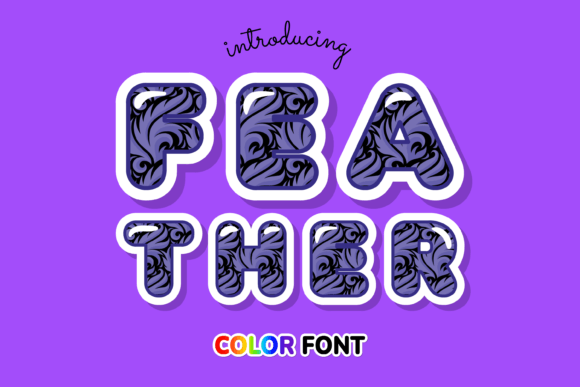
At its core, Feather is a color font, specifically an OpenType-SVG file. This means it's not just a standard vector outline; it's built with embedded graphical elements—in this case, adorable, detailed feathers that decorate each letterform. The result is a display typeface that feels organic, playful, and visually rich. It's designed for moments where you need your typography to be more than just readable; you need it to be a focal point, to tell a story, and to evoke a specific feeling at a glance.
Where Typography Meets Texture: The Visual Appeal of Feather
What makes a font like Feather stand out in a sea of modern typography options? It's the combination of its decorative nature and its practical application. Unlike a standard serif font or a clean sans serif font, Feather doesn't aim for invisible readability. Instead, it embraces its role as a creative font, a piece of design art in itself.
The visual texture of the feathered letters adds depth and a handcrafted quality. This can be a powerful tool for brands and creators who want to communicate authenticity, creativity, or a connection to nature. Think of a boutique skincare brand using it for a logo, a wedding invitation designer crafting a romantic header, or a children's book author creating a whimsical title page. The font does a lot of the heavy lifting in setting the visual tone.
However, this decorative strength is also its primary consideration. As a display font, it's optimized for headlines, logos, and short, impactful text. It's not intended for long paragraphs of body copy, where its intricate details could hinder readability. Understanding this distinction is key to using it effectively. Pairing it with a simple, legible serif or sans serif font for supporting text is a fundamental best practice in font pairing.
Practical Applications for Designers and Entrepreneurs
The true value of any design asset lies in how it can be used in real-world projects. Feather's personality lends itself to a wide array of creative applications, particularly where visual impact and emotional resonance are priorities.
Branding and Logo Design: For small businesses in creative industries—think florists, artisan bakeries, boutique studios, or eco-friendly brands—Feather can form the cornerstone of a brand identity. A logo set in this typeface immediately communicates a soft, approachable, and artistic vibe. It works beautifully for brand marks, monograms, and primary wordmarks that need to stand out.
Packaging and Merchandise: Product packaging is all about shelf appeal. Using Feather for a product name on a candle, a soap label, or a specialty food item can convey luxury, care, and artisanal quality. It's equally effective for merchandise like tote bags, notebooks, or apparel where the typography itself becomes a decorative element.
Invitations and Print Materials: This is where the font truly shines. Wedding invitations, baby shower announcements, event flyers, and greeting cards all benefit from a touch of elegance and personality. The feather details add a layer of sophistication and whimsy that plain fonts simply can't match.
Digital Presence and Content: In the digital realm, Feather is perfect for social media graphics, blog post titles, website headers, and hero section headlines. It captures attention in a fast-scrolling feed and helps establish a consistent visual style for a content creator or blogger. For digital products like printable planners or e-book covers, it adds significant perceived value.
Integrating Feather into Your Design Workflow
Adopting a new premium font into your toolkit is exciting, but a thoughtful approach ensures you get the most out of it. Here are some practical considerations for working with a color font like Feather.
Software Compatibility is Key: The most critical step is verifying compatibility. As an OpenType-SVG color font, Feather is designed for applications that support this advanced format. It works seamlessly in Adobe Photoshop, Adobe Illustrator, Silhouette Studio, and Inkscape. This makes it an excellent asset for graphic designers and crafters who use these platforms. It's important to note that the standard OTF/TTF files are not compatible with Cricut Design Space. If you're a Cricut user, you'll need to use the font within a compatible program like Inkscape to create your designs before importing them.
Focus on Hierarchy and Pairing: Because Feather is a strong display font, use it strategically. Reserve it for your main headline or logo. For subheadings and body text, choose a complementary typeface. A clean geometric sans serif can create a nice modern contrast, while a classic serif can add a touch of timeless elegance. Always test your font pairings in the context of your full design to ensure visual harmony and clear hierarchy.
Consider Color and Background: Since the feather details are part of the font's color data, think about how they interact with your background. The font will often look most striking on a simple, solid background that doesn't compete with its texture. Test it on both light and dark backgrounds to see which best showcases the delicate feather elements.
Review All Included Styles: High-quality font families often include multiple styles or weights. Take time to explore everything that's included. There might be variations that offer slightly different levels of decoration or weight, giving you more flexibility within a single cohesive look for your project.
Licensing for Commercial Use: If you plan to use the font for client work, products for sale, or marketing materials for your business, always review the license. Most premium fonts come with clear commercial licensing, but it's your responsibility to ensure your intended use is covered. This is a standard and important part of using any third-party design asset professionally.
A Tool for Visual Storytelling
Ultimately, choosing a font like Feather is about selecting a tool for visual storytelling. It's for the moments when you want your audience to feel something specific—whimsy, elegance, creativity, or warmth. It won't be the right choice for every project, and that's perfectly fine. Its power lies in its specificity.
By understanding its strengths as a decorative display typeface and pairing it thoughtfully with more neutral fonts, you can leverage its unique character to build stronger brand recognition, create more engaging marketing assets, and design materials that truly stand out. It’s a reminder that in design, the details—even down to the texture of a letterform—can make all the difference.