Little Blue: A Playful Color Font to Spark Your Creativity
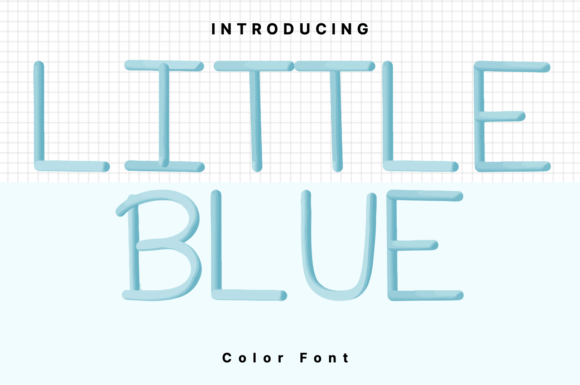
Imagine a font that doesn't just sit on the page but practically dances across it. That’s the feeling you get when you first encounter Little Blue. It’s more than a typeface; it’s a burst of personality, a collection of whimsical, hand-painted characters that each tell a tiny story. For anyone tired of the same old neutral fonts that blend into the background, Little Blue offers a refreshing alternative. It’s designed to capture attention, evoke emotion, and inject a dose of irresistible charm into any project it touches.
Understanding the Whimsy: What Makes Little Blue Special?
At its heart, Little Blue is a premium font that defies easy categorization. It’s not a strict serif or sans serif; instead, it leans into a handwritten font style with a modern, artistic flair. Each letterform features gentle curves, imperfect edges, and subtle variations that mimic the look of hand-lettering. What truly sets it apart, however, is its nature as a color font. This means the characters are not just filled with a solid color but can display gradients, textures, and even multiple hues within a single glyph. The result is a lively, almost three-dimensional appearance that feels fresh and dynamic.
The visual appeal lies in its balance. It’s playful without being childish, detailed without being cluttered. This makes it a versatile creative font for projects that need to feel approachable, authentic, and full of life. Whether you're working on a children’s brand, a boutique product, or a social media campaign that needs to pop, Little Blue brings a unique visual texture that flat fonts simply can’t match.
Where Little Blue Truly Shines: Real-World Applications
Thinking about where to use such a distinctive display font is where the fun really begins. Its character makes it ideal for projects where first impressions and emotional connection are key. Here’s how designers and creators are putting it to work:
- Branding and Logo Design: A logo sets the entire tone for a business. Little Blue can become the cornerstone of a brand identity for artisanal goods, creative studios, or family-friendly services. It instantly communicates creativity and warmth, helping a brand stand out in a crowded marketplace. Paired with a clean sans serif font for body text, it creates a beautiful contrast that’s both professional and engaging.
- Packaging Design: On a shelf, packaging has seconds to make an impact. Using Little Blue for product names or key phrases on labels for foods, cosmetics, or craft supplies can make the package feel handmade and special. The color aspect can be used to highlight ingredients or flavors, adding another layer of visual storytelling.
- Social Media Graphics and Marketing Assets: In the fast-scrolling world of Instagram or Pinterest, eye-catching graphics are non-negotiable. Little Blue is perfect for creating standout quotes, promotional announcements, and story highlights. Its inherent personality helps increase audience engagement by making posts feel more personal and less corporate.
- Websites and Blogs: While not suited for long body paragraphs, Little Blue excels as a web design accent. Use it for impactful headers, pull quotes, or call-to-action buttons to guide the reader’s eye and inject personality into a site. For bloggers, it can make post titles or section dividers more memorable.
- Print Materials and Merchandise: From event posters and invitations to t-shirts and tote bags, this font adds a handmade touch to physical products. It’s particularly effective for wedding stationery, baby shower invites, or merchandise for artists and musicians where a personal, artistic vibe is desired.
- Editorial and Digital Products: In magazine layouts or digital planners, Little Blue can be used for chapter titles or feature headings, breaking the monotony of traditional typography. It adds a creative spark that can make editorial design feel more contemporary and accessible.
Practical Tips for Using a Characterful Font
Working with a font as distinctive as Little Blue requires a bit of strategy to ensure it enhances rather than overwhelms your design. Here’s some practical advice to keep in mind:
- Choose the Right Context: Not every project calls for this level of whimsy. Assess your project goals. Is the aim to be fun, approachable, and creative? Then Little Blue is a great fit. For a law firm or a finance blog, a more neutral serif font or sans serif font would be more appropriate. Matching typography to your project's tone is crucial.
- Master Font Pairing: The golden rule with a display font is to pair it with something simple and highly readable. A clean sans serif like Montserrat or a classic serif like Lora can provide the necessary balance. Use Little Blue for headlines and your paired font for all body copy. This ensures visual consistency and maintains readability.
- Test Readability at Various Sizes: Since Little Blue has intricate details, always test it at the size it will be viewed. It’s perfect for large headlines but may lose clarity if used for small text on a screen or print. Check how the colors render in different formats—what looks vibrant on a screen might need adjustment for CMYK printing.
- Explore the Included Styles: A good commercial font like Little Blue often comes with more than just the basic alphabet. Check for alternates, ligatures, or additional color variations. These extras can help you customize your designs further and avoid repetition, making your work feel even more unique.
- Understand Licensing: Before using it in a client project or on merchandise for sale, always review the font’s licensing. Ensure the license covers commercial use for your intended application, whether it’s for logos, digital products, or physical goods. This protects you and respects the work of the type designer.
Making Your Mark with Memorable Typography
In a world saturated with content, finding ways to make your visual communication memorable is a significant advantage. Little Blue offers more than just letters; it offers a feeling. It can help build brand recognition by giving your business a distinct visual voice that audiences can connect with emotionally. It transforms standard marketing assets into conversation starters and turns ordinary packaging into a collectible item.
The key is to use it thoughtfully. Let it be the star of the show in specific applications where its charm can have the most impact. By strategically incorporating this modern typography choice, you’re not just choosing a font—you’re selecting a design partner that helps tell your story with color, character, and a whole lot of personality. It’s a tool for anyone looking to move beyond the generic and create something that truly feels alive.