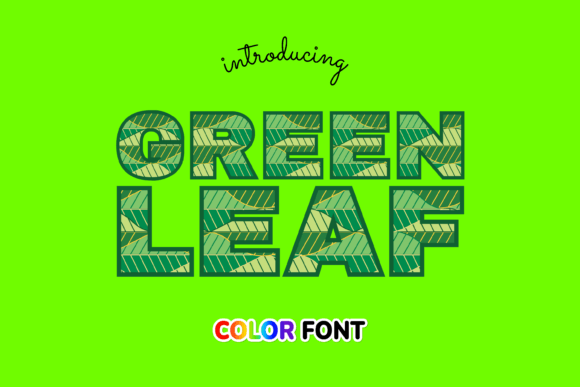
Green Leaf: A Botanical Font for Natural Branding
There’s a certain feeling that comes with a design that just feels right. It’s not always about complex illustrations or a thousand different colors. Sometimes, the most powerful design choice is something as fundamental as the typeface you use. For projects that need to breathe a little life, a sense of organic authenticity, or a touch of natural elegance, the search for that perfect font can be surprisingly challenging. You want something with character, but not so much that it overwhelms your message. You want it to feel fresh and modern, yet timeless. This is where a typeface with a distinct personality, like the Green Leaf font, can become a cornerstone of your creative toolkit.
More Than Just Letters: The Personality of a Font
Green Leaf isn't your standard serif or sans serif font. It’s a premium font designed with a clear botanical theme woven directly into its letterforms. Imagine the gentle curve of a vine replacing a simple stroke, or the subtle silhouette of a leaf integrated into a capital letter. This isn't a clip art effect; it’s a thoughtful typeface where the natural world informs the design of each character. The result is a display font that feels both artistic and highly intentional. It’s the kind of creative font that immediately sets a mood—calm, earthy, sophisticated, and connected to nature.
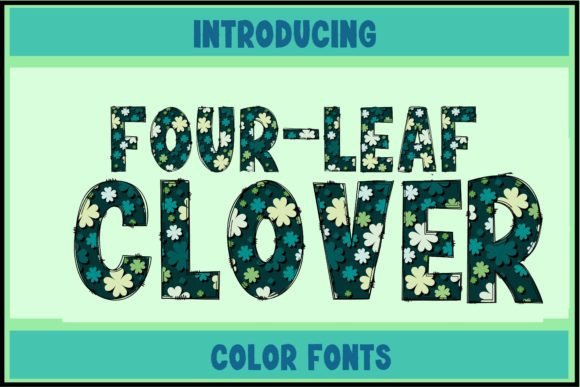
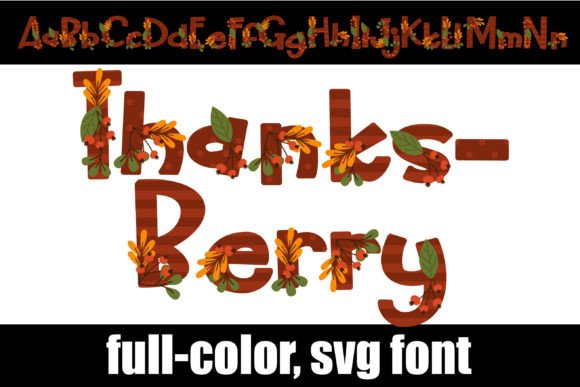
What makes it particularly useful is its format. As an OpenType-SVG color font, it can contain multiple colors and gradients within a single glyph, allowing for that lush, multi-tonal botanical effect right out of the box. This is a significant advantage for logo design and brand identity work, where you want immediate visual impact without layering multiple design elements. It’s a modern typography solution for a specific, yet widely sought-after, aesthetic.
Where a Botanical Touch Makes All the Difference
The true test of a premium font is its versatility. Where does a font like Green Leaf truly shine? Its applications are surprisingly broad, especially for projects that aim to connect with audiences on a more personal, emotional level.
For Branding and Packaging: If you run a small business selling artisanal goods, organic skincare, specialty teas, or handmade ceramics, your packaging is your first handshake with the customer. Using Green Leaf on labels, boxes, or tags instantly communicates your values without a single word of copy. It tells a story of care, nature, and craftsmanship. It’s a powerful tool for packaging design that needs to stand out on a shelf or in an online store.
In the Digital Space: For bloggers and content creators in niches like wellness, gardening, sustainable living, or eco-fashion, this font can transform your social media graphics and website headers. It brings a cohesive, branded feel to your Instagram stories, Pinterest pins, and Facebook covers. On a website, it can be used strategically for main headings or hero sections to grab attention and reinforce your site's theme, enhancing overall web design appeal.
For Marketing and Print: Think about event invitations for a garden party or a bridal shower. Consider the cover of a recipe booklet for a local farm-to-table restaurant. Or the header of a menu for a café with a botanical garden patio. Green Leaf adds a layer of sophistication and thematic consistency to print materials, posters, and marketing assets that generic fonts simply can’t achieve. It’s also perfect for editorial design in magazines or lookbooks focused on nature and lifestyle.
Pairing and Practicality: Using Green Leaf Effectively
A font with this much personality requires a thoughtful approach. The key to using a display font like Green Leaf successfully is balance. Its decorative nature means it’s best used for headlines, logos, and short bursts of impactful text, not for long paragraphs of body copy where readability is paramount.
This is where font pairing becomes your best friend. To create a professional and legible design, pair Green Leaf with a clean, neutral sans serif font or a simple serif font. For example, using Green Leaf for your main headline and a font like Montserrat, Lato, or even a classic Garamond for subheadings and body text creates a beautiful hierarchy. The botanical font draws the eye, while the supporting font ensures your message is easily understood. Always test your pairings at different sizes to ensure they work harmoniously.
It’s also crucial to consider your audience and project goal. A creative font like this speaks to a specific aesthetic. It’s perfect for a yoga studio, an organic farm, or a wedding planner. It might be less suitable for a corporate tech firm or a law office, unless used in a very specific, subtle campaign. The goal of modern typography is to match the font’s voice with the brand’s voice.
A Note on Compatibility and Licensing
Before you dive into a project, a couple of practical considerations are essential. First, always check the font’s technical specifications. Green Leaf is provided as an OpenType-SVG file, which is compatible with professional design software like Adobe Photoshop, Illustrator, and others. However, it’s noted that the standard OTF/TTF files are not compatible with certain cutting machines like Cricut. For crafters using Silhouette or Inkscape, it’s a fantastic option. Always verify compatibility with your specific workflow.
Second, understand the license. Most commercial fonts come with a license that outlines how you can use the font—typically for personal projects, and for commercial use with some restrictions (like on print-on-demand merchandise). Reviewing the license ensures you’re using the design assets correctly and protects both you and the font creator. This due diligence is a small but vital part of the professional design process.
Ultimately, choosing a typeface is about choosing a voice for your project. Green Leaf offers a voice that is distinctly natural, elegant, and full of life. It’s a specialized tool, but for the right project, it can be the element that brings your entire visual identity together, creating a lasting and authentic impression.