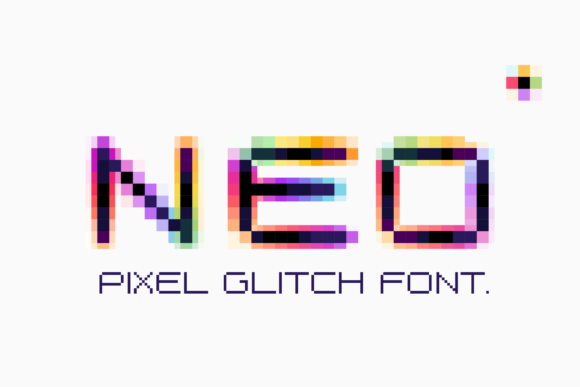
Neo Pixel: A Glitch Font for Bold, Modern Branding
There’s a specific kind of energy that comes from the glow of a city at night—the blur of neon signs, the distorted reflection in a rain-soaked window, the electric pulse of a retro arcade screen. If you’re a designer or brand creator trying to bottle that feeling, you know that standard fonts often fall flat. They lack the texture, the movement, and the vibrant chaos that defines a truly modern, tech-inspired aesthetic. You need a typeface that doesn't just sit on the page but feels alive, flickering with a digital heartbeat.
This is where the Neo Pixel font enters the conversation. It’s not just another display typeface; it’s a specialized tool designed for projects that demand high impact and a distinctive, futuristic vibe. At its core, Neo Pixel is a glitch distorted pixel font with a compelling color shift effect. Imagine the blocky, satisfying shape of classic pixel art, but with a modern, corrupted twist—the letters appear to vibrate or phase, creating an immediate sense of motion and digital authenticity. Because it is a color font (Opentype-SVG), the color shift effect is built directly into the file. You don't need to spend time manually adding gradients or layering effects in your design software; the font renders with its vibrant, multi-colored gradient intact, saving you valuable creative time.
Why a "Glitch" Font Works for Modern Design
In a marketplace saturated with clean sans-serifs and elegant scripts, a typeface like Neo Pixel acts as a visual disruptor. Its appeal lies in its ability to instantly signal a specific brand personality: innovative, energetic, tech-savvy, and unapologetically bold. This isn't a font for a law firm’s annual report. It’s a creative font for the nightlife label owner, the indie game developer, the electronic music producer, or the streetwear brand founder.
The visual characteristics of Neo Pixel solve a common design challenge: how to create instant recognition. The pixelated base gives it a nostalgic, retro video game screen quality, while the glitch distortion and color shift propel it firmly into the contemporary. This duality makes it incredibly versatile for specific niches. For a brand, this kind of distinctive typography becomes a core part of its identity. It’s the difference between being remembered and being scrolled past.
Practical Applications: Where Neo Pixel Shines
Understanding a font’s personality is one thing; knowing exactly how to deploy it is where the real value lies. Neo Pixel isn’t for body text—that’s not its job. Its strength is in headlines, logos, and focal points where you need to grab attention and convey a mood. Here’s how you can put this premium font to work across your projects.
Branding & Logo Design
For startups and businesses in tech, entertainment, or lifestyle sectors targeting a younger, digitally native audience, a logo sets the tone. Using Neo Pixel in a wordmark or as a companion icon can establish a brand identity that feels fresh and relevant. Imagine a podcast cover for a show about cybersecurity, a logo for a streaming channel, or the title treatment for a music festival. The built-in color effect means your logo will have a professional, polished look right out of the box, enhancing brand recognition from the first glance.
Packaging & Merchandise
Think about the shelf presence of a product. A can of energy drink, a bag of specialty coffee for gamers, or the packaging for a new line of headphones. Neo Pixel can make the product name pop, communicating the product's vibe before the customer even reads the description. The same applies to merchandise—t-shirts, hats, stickers, and posters. The font’s bold, graphic nature translates exceptionally well to print, ensuring your designs are vibrant and eye-catching.
Digital-First Projects: Social Media & Websites
In the fast-paced world of social media graphics, you have a fraction of a second to make an impact. Neo Pixel is perfect for Instagram story headers, YouTube thumbnail text, TikTok profile banners, or event announcement graphics. Its distorted, colorful style is native to the digital environment and feels organic on a screen. On a website, use it sparingly but strategically for hero section headlines, call-to-action buttons, or section titles to inject personality and guide the user’s eye. Pairing it with a clean, simple sans-serif font for body copy is a classic and effective strategy for maintaining readability while showcasing your creative font choice.
Editorial Design & Marketing Assets
Even in more traditional layouts, a touch of the unexpected can elevate the entire piece. In a magazine spread about urban culture, a poster for a tech conference, or a digital invitation for a product launch, Neo Pixel can serve as the striking headline that frames the content. It helps create a visual hierarchy, making your key messages impossible to ignore. For digital products like online course banners, e-book covers, or webinar promotional graphics, it adds a layer of professional polish and modern appeal.
Working with Neo Pixel: A Practical Guide
Adopting any new design asset requires a bit of know-how to get the best results. Here are some practical tips for integrating Neo Pixel into your workflow effectively.
Font Pairing is Key. As a highly stylized display font, Neo Pixel works best when contrasted. Pair it with a neutral, highly readable sans-serif font (like Helvetica, Arial, or a modern geometric sans) for any body text or secondary information. This contrast ensures your design is both visually exciting and functionally clear. Avoid pairing it with other decorative or script fonts, as this will create visual clutter and undermine readability.
Readability Considerations. The glitch effect, while cool, can reduce legibility at very small sizes. Use Neo Pixel for larger text elements: headlines, subheads, logos, and titles. For anything that needs to be read quickly and effortlessly—like a paragraph of text, a product description, or fine print—switch to your paired, simpler typeface. Always test your designs at the intended viewing size.
Understand the File Formats. This is a crucial technical note. Neo Pixel is delivered as an OpenType-SVG color font. This format is what allows the color gradient effect to be embedded directly in the glyph. It is compatible with professional design software like Adobe Photoshop, Adobe Illustrator, and open-source alternatives like Inkscape and Silhouette. However, it is not compatible with Cricut Design Space. The standard OTF and TTF files included do not support the color effect and will appear as a basic pixel font. If you are a crafter using a Cricut machine, this is an important limitation to be aware of before purchasing. For a full breakdown of compatibility and usage, the provided Ultimate Font Guide is an essential resource.
Licensing for Commercial Use. If you’re using this font for client work, merchandise you sell, or business branding, you need to ensure you have the correct commercial license. Always review the license agreement that comes with the font. This protects you legally and ensures the font creator is fairly compensated for their work, allowing them to continue making great design assets for the community.
Review All Included Styles. Don’t just look at the primary color version. Explore all the files included in the package. You might find standard black versions or alternate characters that offer more flexibility. Having these options allows you to maintain the core pixel aesthetic of the typeface in contexts where the full color effect might be too much or where print costs are a factor.
Making the Type Decision
Choosing a font is a strategic decision that goes beyond aesthetics. It’s about matching the tool to the task. Neo Pixel is a powerful creative font for specific goals: to energize, to modernize, to capture the essence of digital culture, and to make a brand feel distinctly contemporary. It’s for the project that wants to stand out in a crowded digital landscape, for the campaign that needs to feel electric, and for the brand that identifies with innovation and a bit of rebellious, creative energy.
By understanding its strengths—its built-in color shift, its retro-modern pixel personality, and its best-use scenarios—you can wield it not just as a decorative element, but as a core component of effective visual communication. Test it in your mockups, pair it thoughtfully, and see if its unique pulse aligns with the story you’re trying to tell.