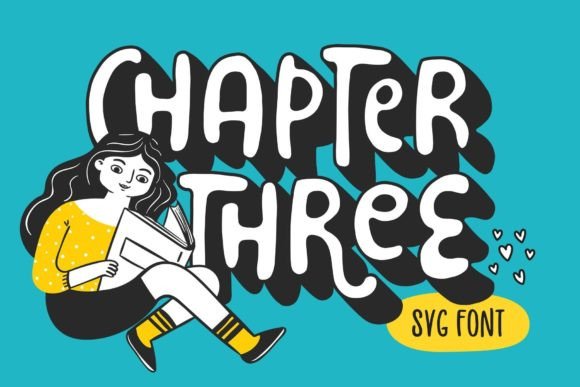
Meet Chapter Three: The Hand-Drawn Font with a Bold Personality
There is a specific kind of energy you need when a standard corporate typeface just won't cut it. You know the feeling—your project demands warmth, creativity, and a bit of playful rebellion, but you still need it to look professional and polished. This is exactly where Chapter Three enters the conversation. It is not just another script font; it is a carefully crafted tool designed to bridge the gap between raw, hand-drawn charm and modern digital precision. If you have been searching for a typeface that feels personal yet bold, Chapter Three might be the missing piece in your design toolkit.
The Visual Appeal: Bubbly Aesthetics Meets Technical Innovation
At first glance, Chapter Three captures attention with its bubbly, hand-drawn aesthetic. It feels organic and human, as if it were sketched in a notebook during a burst of inspiration. However, what sets this typeface apart from other handwritten fonts is the structural integrity provided by its solid drop shadow. This shadow effect gives the letters a three-dimensional depth, making them pop off the screen or page. It creates a visual hierarchy instantly, ensuring your headlines and logos command attention without needing complex layering techniques in your design software.
But the real magic lies in the technical execution. Chapter Three is an OpenType-SVG font. For those unfamiliar with the terminology, this means the font contains high-fidelity color data and gradients directly within the file. You do not have to manually add a drop shadow in Photoshop; the font renders the shadow and color overlap automatically. This ensures that the "bubbly" effect looks consistent across every letter, saving you hours of manual design work. To access this specific color version, you will need compatible software such as Photoshop CC 2017+, Illustrator CC 2018+, or InDesign CC 2019+. This technical capability is crucial for modern designers who rely on high-resolution, dynamic assets.
Unlocking Creativity with Ligatures and Swashes
A font often reveals its true character through its alternates. Chapter Three comes loaded with a variety of fun ligatures and swashes that activate automatically in supported programs. Ligatures are special character combinations that flow together to mimic natural handwriting. When you type certain letter pairs, the font intelligently connects them in a way that avoids repetition and awkward spacing. This feature is vital for maintaining the illusion of hand-lettering.
Furthermore, this typeface is PUA encoded (Private Use Areas). This is a technical feature that matters deeply to creators who use software that doesn't fully support advanced OpenType features, such as older versions of Adobe software, Cricut Design Space, or Silhouette Studio. Because it is PUA encoded, you can access every single glyph, swash, and alternate character through your operating system’s character map. This accessibility makes Chapter Three a versatile premium font for both digital designers and physical crafters alike. Whether you are cutting vinyl decals or designing a digital ad, you have full control over the typography.
Strategic Applications: Where Chapter Three Shines
Understanding a font's technical specs is one thing, but knowing how to apply it to real-world projects is where the value lies. The personality of Chapter Three makes it an exceptional choice for specific design assets and projects. Its bold, readable nature combined with its whimsical style makes it suitable for a wide range of creative applications.
Here are practical scenarios where this typeface excels:
- Brand Identity and Logo Design: If you are building a brand for a bakery, a boutique, a children's clothing line, or a creative agency, Chapter Three offers the perfect balance of professionalism and approachability. It helps establish a brand identity that feels friendly and trustworthy.
- Packaging Design: On physical products, shelf appeal is everything. The solid drop shadow of this font creates a strong focal point on labels, boxes, and bags, helping your product stand out in a crowded marketplace.
- Social Media Graphics: In the fast-paced world of Instagram and TikTok, you need to stop the scroll. Using Chapter Three for quotes, announcements, or sale graphics adds an instant pop of personality that static, standard fonts cannot achieve.
- Invitations and Stationery: For wedding planners, event organizers, or hobbyists, this font mimics the look of expensive custom calligraphy without the high price tag. It is perfect for digital and print invitations.
- Merchandise: T-shirts, tote bags, and mugs often rely on strong typography. The readability of Chapter Three ensures that slogans and messages are legible from a distance, while the style keeps the merchandise trendy.
- Web Design and Blogs: While it is a display font, using it for headers on a website can guide the reader's eye and inject personality into your content. It pairs well with clean sans-serif fonts for body text.
Practical Advice for Pairing and Readability
While Chapter Three is a stunning standalone font, modern typography is rarely about using just one typeface. To get the most out of this asset, you need to consider font pairing. Because Chapter Three has a distinct, decorative style, it works best when paired with a simple, clean counterpart.
For example, pairing Chapter Three with a geometric sans serif font for your body text creates a beautiful contrast. The simplicity of the sans serif allows the personality of Chapter Three to shine without overwhelming the viewer. Conversely, pairing it with a traditional serif font can create a "classic meets modern" vibe, suitable for editorial layouts or high-end branding.
Readability should always be your north star. While Chapter Three is designed to be legible, it is still a display typeface. Avoid using it for long paragraphs of body copy. Instead, use it for headlines, sub-headers, pull quotes, and call-to-action buttons. Its bold structure ensures that even at smaller sizes, short bursts of text remain clear and impactful. Always test your typography on different devices and screen sizes to ensure your message is received exactly as intended.
Commercial Licensing and Final Thoughts
For entrepreneurs and small business owners, the legal aspect of design assets is just as important as the aesthetic. When purchasing a commercial font, always review the licensing terms. Ensure that the license covers your intended use, whether that is for digital products, print-on-demand merchandise, or client work. Chapter Three is designed as a professional tool, built to support your business growth.
Ultimately, choosing the right typeface is about aligning your visual communication with your project goals. Chapter Three is more than just a collection of letters; it is a design solution that brings energy, depth, and a hand-crafted feel to any project. Whether you are refreshing your brand, launching a new product, or simply looking to add some flair to your social media presence, this font provides the flexibility and visual impact needed to make your work stand out. It is a testament to how thoughtful typography can transform a simple layout into a compelling visual story.