Autumn: A Color Font That Brings Seasonal Warmth to Your Designs
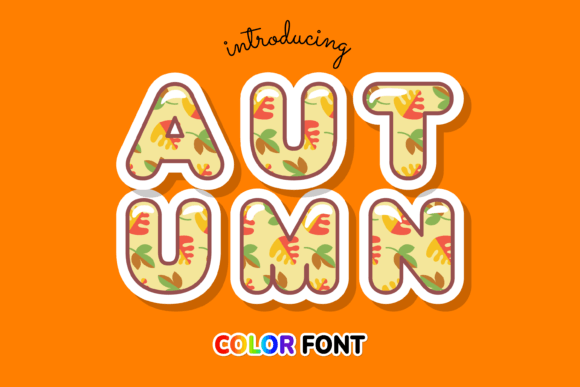
There's something undeniably magical about the way autumn transforms the world—the rich ambers, deep burgundies, and golden yellows that blanket everything in sight. Now imagine capturing that exact feeling in your typography. Autumn is a color font designed in the style of leaves, and it does something most typefaces simply cannot: it brings the warmth, texture, and visual richness of the season directly into every letter you type. Whether you're building a brand identity, designing packaging for a seasonal product, or creating social media graphics that stop the scroll, this typeface offers a genuinely distinctive visual language.
What Makes This Font Stand Out From the Crowd
Most fonts you encounter are monochrome—black, white, or a single solid color you choose yourself. Autumn breaks that mold entirely. As an OpenType-SVG color font, each character arrives with built-in color information and leaf-inspired textures already embedded. The result is a typeface that looks handcrafted and organic, with letters that genuinely resemble autumn foliage arranged into readable forms. This isn't a gimmick; it's a design asset that can save you hours of manual illustration work while delivering a polished, professional result.
The visual personality here leans warm, natural, and inviting. It reads as both playful and sophisticated, which makes it surprisingly versatile. A children's fall festival poster? Perfect. An upscale candle brand's seasonal packaging? Absolutely. A blog header for a lifestyle content creator? It fits right in. The key is understanding where its strengths lie and pairing it thoughtfully with complementary design elements.
Practical Applications Across Creative and Commercial Projects
Let's talk about where Autumn genuinely shines as a creative font, because understanding its ideal use cases will help you get the most value from it.
Branding and Logo Design: If your brand has a natural, artisanal, or seasonal identity, this typeface can become a cornerstone of your visual language. Think about a farm-to-table restaurant, a handmade soap company, or an organic skincare line. Using Autumn in your logo or wordmark immediately communicates warmth and nature without requiring additional illustration. It works particularly well for brands that want to stand apart from the clean, minimal sans serif font aesthetic that dominates so many industries right now.
Packaging Design: Product packaging thrives on shelf appeal, and a color font like this delivers instant visual interest. Imagine a tea brand's fall collection box, a bakery's seasonal cookie packaging, or a craft brewery's autumn ale label. The leaf-textured letterforms add dimension and character that flat typography simply cannot match. When customers are scanning shelves, packaging with this kind of visual depth naturally draws the eye.
Social Media Graphics and Digital Content: Content creators and marketers know the challenge of stopping someone mid-scroll. Autumn's built-in color and texture make it particularly effective for Instagram posts, Pinterest pins, Facebook headers, and YouTube thumbnails. It works beautifully for seasonal campaigns, announcement graphics, quote cards, and promotional materials. Because the font itself carries so much visual weight, you can often simplify your surrounding design elements and still create something compelling.
Invitations and Event Materials: Wedding invitations for fall ceremonies, harvest festival flyers, Thanksgiving dinner menus, corporate autumn retreat invitations—these are all natural homes for a leaf-inspired display font. The typeface sets a mood instantly, reducing the need for heavy decorative elements elsewhere in your layout.
Merchandise and Print Products: T-shirts, tote bags, mugs, greeting cards, and posters all benefit from typography that carries its own visual story. Autumn works well on printed merchandise because the color information translates effectively to physical products, especially when printed on quality substrates. For small business owners selling on platforms like Etsy or at local markets, having a distinctive font for your merchandise designs can help build brand recognition over time.
Editorial and Web Design: Blog headers, magazine feature titles, website hero sections, and digital product covers are all strong use cases. Lifestyle bloggers covering seasonal content, food writers highlighting fall recipes, or travel creators documenting autumn destinations would find this typeface adds genuine personality to their layouts. It pairs surprisingly well with clean sans serif body text, creating a visual hierarchy that feels both dynamic and readable.
Pairing Autumn With Other Typography
One of the most important practical considerations with any display font is how it works alongside other typefaces. Autumn is inherently decorative, which means it performs best as a headline or accent font rather than for body copy. Here's how to approach font pairing thoughtfully:
- With sans serif fonts: A clean, geometric sans serif like Montserrat, Poppins, or Lato creates beautiful contrast. The simplicity of the sans serif lets Autumn's detail breathe, while the sans serif handles longer text passages with clarity.
- With serif fonts: A classic serif like Playfair Display or Lora can complement Autumn's organic feel, especially for editorial or lifestyle projects. This pairing leans elegant and refined.
- With handwritten fonts: If your project calls for a casual, approachable tone, pairing with a simple handwritten script font can work—but tread carefully. Too many decorative fonts competing for attention creates visual noise. Keep one dominant and the other restrained.
Always test your pairings in context. A combination that looks great in a font specimen might feel overwhelming on an actual product label or social media post. Print a test, view it on multiple screens, and ask yourself whether the hierarchy is immediately clear to someone seeing it for the first time.
Important Technical Considerations
Before committing to Autumn for a project, there are a few compatibility details worth understanding. This product is an OpenType-SVG color font, which means the color and texture information is embedded directly in the font file. It's compatible with Adobe PhotoShop, Adobe Illustrator, Silhouette Studio, and Inkscape—tools that many designers and crafters already use daily.
However, the standard OTF and TTF files included are not compatible with Cricut machines. If you're a crafter who relies on Cricut for cutting projects, this is an important distinction. The color font version will display correctly in supported applications, but the monochrome outline versions won't carry the same leaf-textured detail. For Silhouette users, though, this opens up exciting possibilities for print-and-cut projects, vinyl decals, and layered paper crafts.
If you're new to working with color fonts, the learning curve is minimal but worth acknowledging. The included Ultimate Font Guide walks through the specifics of installation and usage across supported platforms, which eliminates most guesswork. Taking ten minutes to review that resource before starting a project will save you from potential frustration later.
Matching Typography to Your Project Goals
Choosing the right font isn't just about aesthetics—it's about communication. Every typographic choice sends a message before anyone reads a single word. Autumn communicates warmth, nature, craftsmanship, and seasonal charm. If those qualities align with your project's goals, it's a strong choice. If your project demands corporate formality, technical precision, or ultra-modern minimalism, a different typeface will serve you better.
Consider your audience carefully. A twenty-five-year-old content creator targeting millennial lifestyle followers will use this font very differently than a small business owner designing packaging for a gourmet food brand. Context shapes everything. The same typeface can feel playful in one setting and sophisticated in another, depending on surrounding colors, layout composition, and supporting typography.
Readability always deserves attention, especially with decorative display fonts. Use Autumn at larger sizes where its leaf details remain visible and legible. Avoid setting paragraphs or long captions in it—the detail that makes it beautiful at headline size becomes visual clutter at small sizes. Reserve it for moments of impact: a hero headline, a product name, a call-to-action banner.
For designers, marketers, and creative entrepreneurs building a library of premium font assets, Autumn fills a niche that few other typefaces occupy. It's not trying to be everything to everyone, and that specificity is precisely what makes it valuable. When a project calls for that particular intersection of nature, warmth, and visual richness, having this font ready in your toolkit means you can deliver something genuinely distinctive without spending hours on custom illustration. That practical efficiency, combined with its undeniable visual charm, makes it a worthy addition to any creative professional's design assets collection.